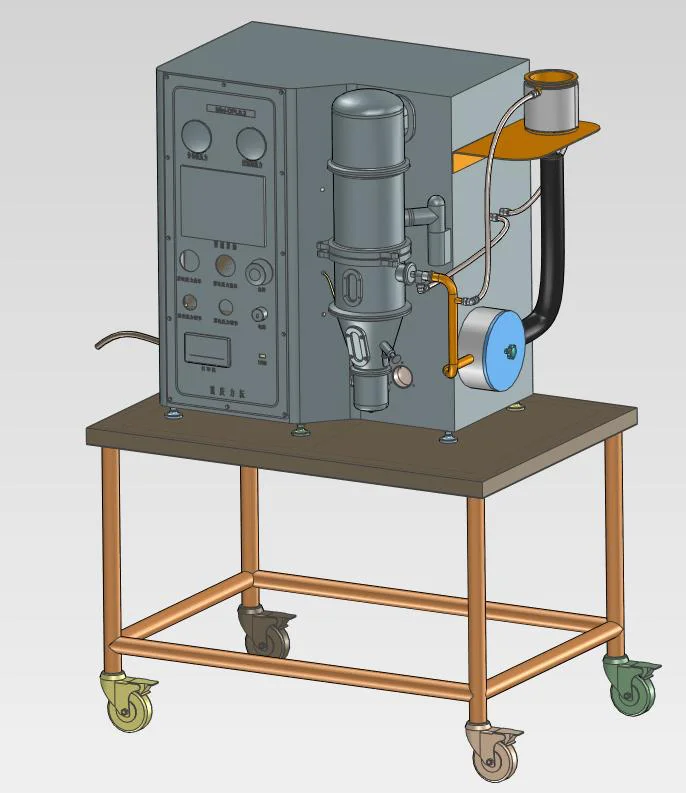
Model: Turnkey tiers: MINI 30 g / Type-Ⅱ pilot / DPL-120
Hot melt spray coating applies molten wax or lipid films that solidify under cooling air — solvent-free, with moisture protection, taste masking, controlled release and API isolation in one dense film. Available as turnkey tiers from a 30 g mini bed to DPL-120 production.
Highlights
Molten wax/lipid films solidify under cooling air — no solvent handling, no VOC compliance, no drying step.
Moisture protection, taste masking, controlled release and API isolation in a single coating step.
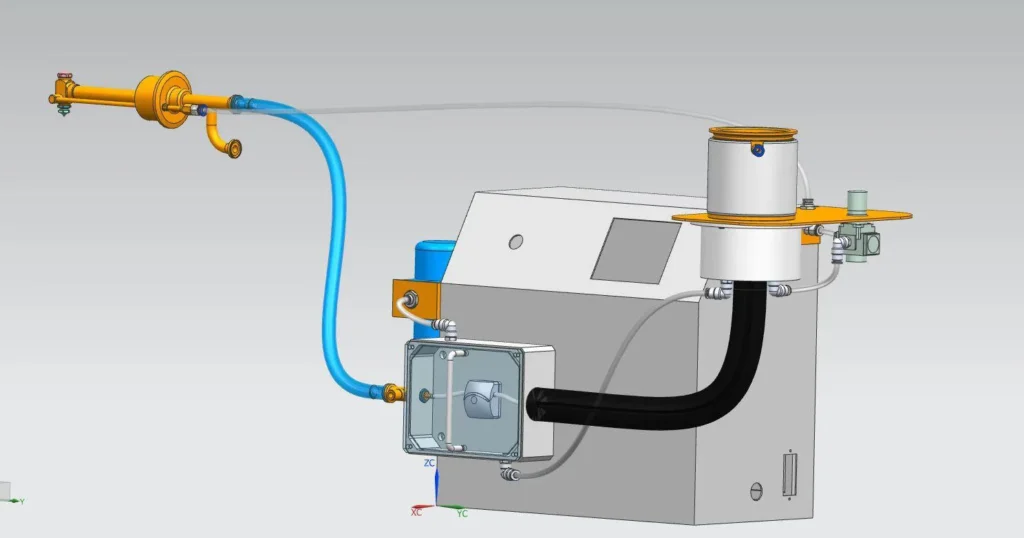
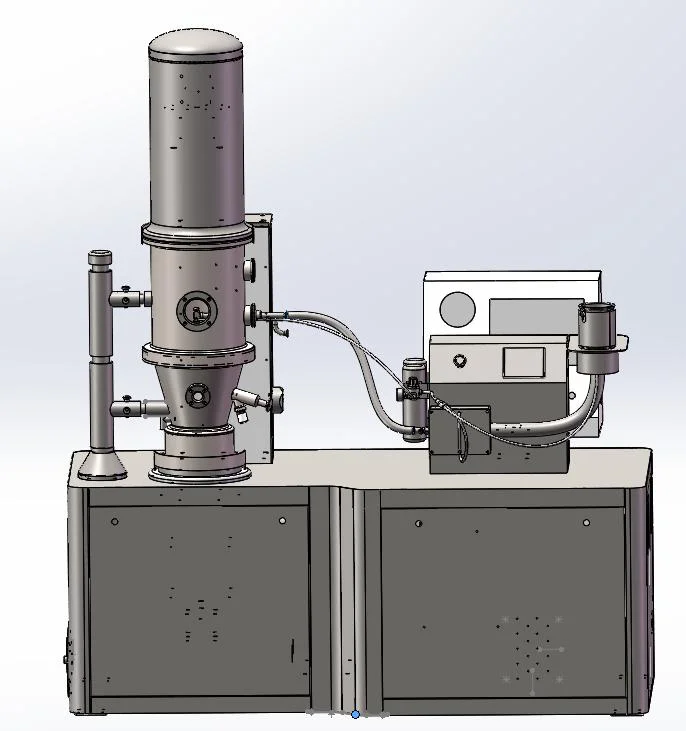
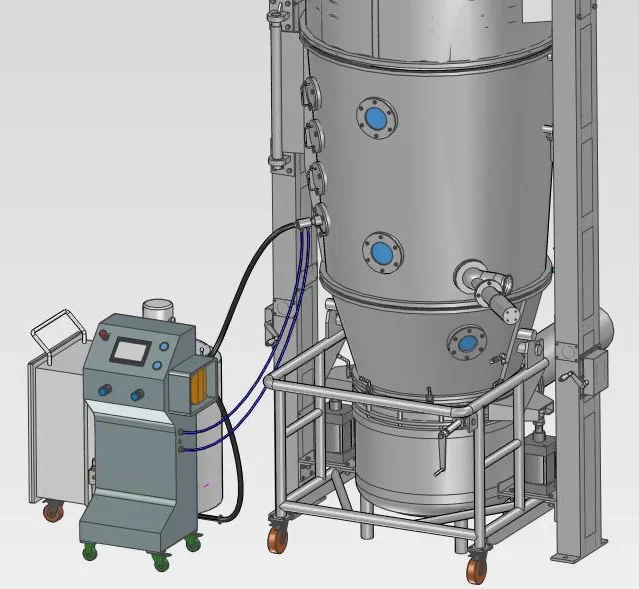
Heated tank, heated lance and thermostatic gun retrofit to existing fluid beds; or pick a paired bed tier.
How Hot Melt Spray Coating Works
Solid wax or lipid blend is melted in a temperature-controlled tank, delivered through heated, insulated lines to a heated spray gun, and atomized onto the fluidized substrate. Particles are kept above the melt point (typically 50–85 ℃ for waxes and lipids) all the way to the nozzle, so the film forms the moment droplets touch the cooler particle surface — solidifying under the bed’s cooling air without any drying phase.
Hot Melt vs Aqueous Coating
| Aspect | Hot melt coating | Aqueous / solvent coating |
|---|---|---|
| Coating medium | Molten wax or lipid, 100% solids | Polymer dispersion in water or solvent |
| Solidification | Cooling air only | Evaporation — a drying phase is required |
| Solvent & VOC compliance | None — solvent-free process | Solvent handling, explosion proofing, VOC limits |
| Batch time | Shorter — no drying step | Longer — spray and dry cycles |
| Moisture protection | Inherent in lipid films | Usually needs an additional seal coat |
| Heat-sensitive APIs | Suitable at 50–85 ℃ melt temps | Suitable, but drying adds thermal exposure |
| Typical media | Waxes, hydrogenated oils, lipids | HPMC, HPMCP, Eudragit-type polymers |
Applications
| Industry | Application | What the film does |
|---|---|---|
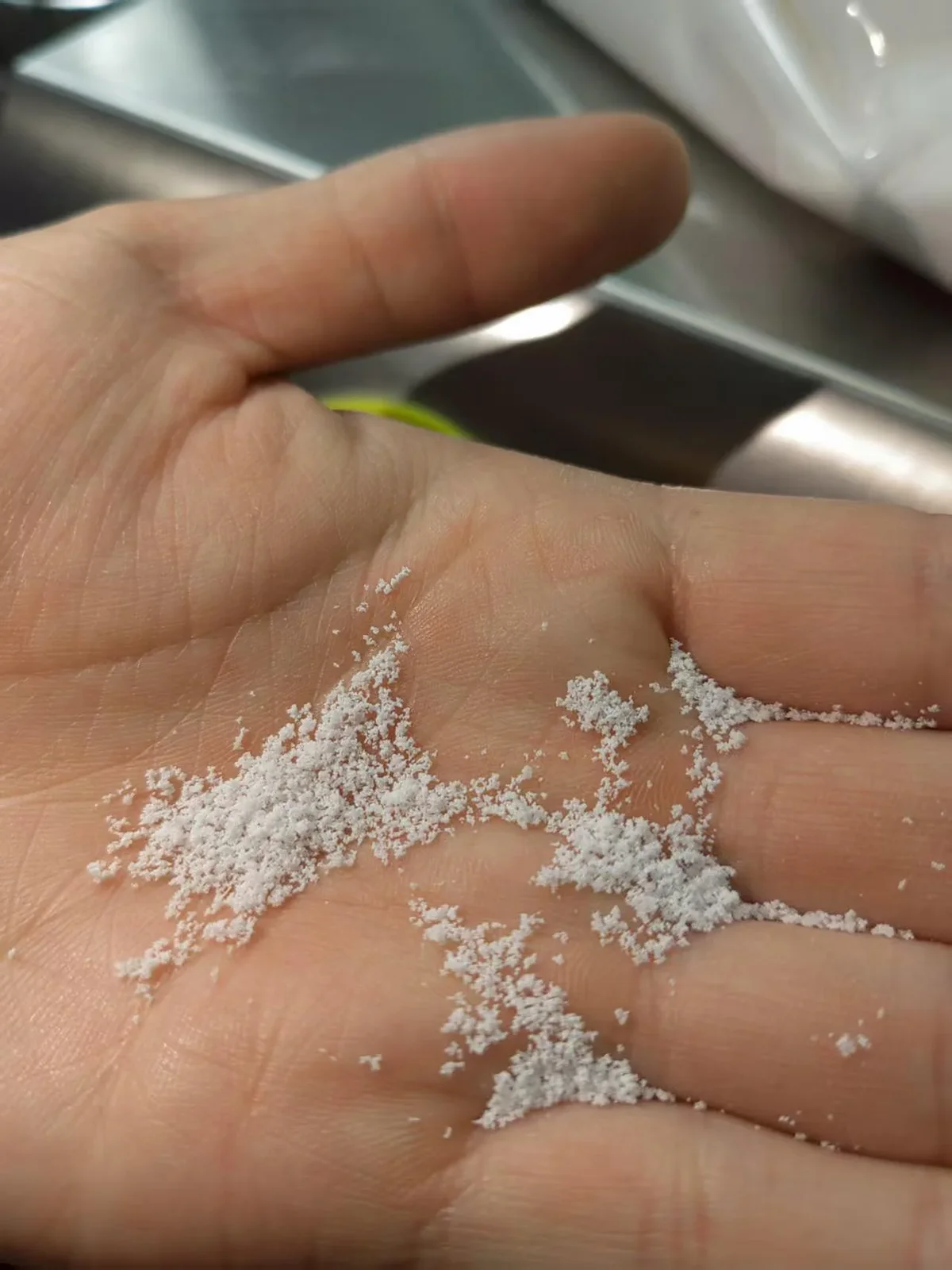
| Pharma — APIs | Moisture-protective coating | Blocks humidity for hygroscopic actives |
| Pharma — pediatrics | Taste masking | Dense rapid-forming film masks bitter actives |
| Pharma — modified release | Controlled-release pellets | Release pacing built in one film |
| Pharma — combination | API isolation layer | Separates incompatible layers in one pellet |
| Food | Nut and confection glazing | Gloss, moisture barrier, shelf life |
| Fertilizer | Anti-caking treatment | Keeps hygroscopic granules free-flowing |
Real-scene, company and exhibition photos are being curated for this page — available on request meanwhile: info@benelabos.com.
Product Images
Full Specifications
| Tier | Paired fluid bed | Class | Best for | Evidence |
|---|---|---|---|---|
| Tier 1 | MINI fluid bed (0.05–0.25 kg) | lab | feasibility and film screening | Manufacturer spec |
| Tier 2 | Type-Ⅱ fluid bed | pilot | process parameter lock | Manufacturer spec |
| Tier 3 | DPL-120 fluid bed | production | batch manufacturing | Manufacturer spec |
How to Choose
Three turnkey tiers from one design: Tier 1 pairs the MINI bed (0.05–0.25 kg) for feasibility and film screening; Tier 2 the Type-Ⅱ pilot bed for parameter lock; Tier 3 DPL-120 for production. Heated tank, heated lance and thermostatic gun keep the melt (50–85 ℃ window) moving.
- FeasibilityTier 1 · MINI bed — 0.05–0.25 kg film screening
- PilotTier 2 · Type-Ⅱ bed — parameter lock
- ProductionTier 3 · DPL-120 — batch manufacturing
Where this sits: The solvent-free branch of the Fluid Bed & Coating platform.
Pain Points This Solves
Solvent-free by design: no VOC handling, no drying step, no solvent recovery capex — molten films solidify under cooling air.
Heated tank, insulated heated lines and a thermostatic gun keep wax/lipid melts above their 50–85 ℃ melting window.
Moisture protection, taste masking, controlled release and API isolation are tuned and verified in sampling trials.
Ordering & Trade Details
| Item | How it works at Benelabo |
|---|---|
| Customization | Three turnkey tiers (30 g mini bed to DPL-120) or a retrofit set — heated tank, heated lance and thermostatic gun matched to your fluid bed. |
| Sampling | Film screening on the 30 g mini tier: density, moisture gain and taste-masking verified on your own API. |
| Quotation & lead time | Send your machine model, process and capacity — engineers reply within 24 business hours; pricing and lead time are confirmed on the proforma invoice. |
| Payment & shipping | Payment terms and shipping Incoterms are agreed on the proforma invoice; export-grade packing with packing list and commercial invoice as standard. |
| Documentation | Process parameter sheet and film-function trial report from the sampling stage; equipment documents on request. |
How We Work
Send material, process and capacity — a named engineer replies within 24 business hours.
Melt point and film function verified in a mini-bed trial; tier and parameters locked from trial data.
Built and tested against the agreed spec — FAT evidence before shipment.
Export packing, installation guidance and spare-part supply from the same factory.
Request sizing & a quote for Hot Melt Spray Coating →
FAQ
When should I use hot melt coating instead of solvent-based coating?
When your API is moisture-sensitive, your plant lacks solvent handling capacity, or you need to remove drying time and VOC compliance from the process. Hot melt coating sprays molten material that solidifies on cooling — no solvent, no drying step.
How do you prevent the melt from solidifying inside the gun?
The system keeps the material above its melting point (typically 50–85 ℃ waxes and lipids) through heated tanks, insulated heated lines and a temperature-controlled heated gun designed to resist freeze-up at the nozzle.
Can hot melt coating achieve taste masking?
Yes — rapid-film-forming melts create a dense film that effectively masks bitter actives; film thickness and coverage are tuned in sampling trials.
Can I retrofit hot melt coating onto my existing fluid bed?
Yes — the heated tank, heated lance and thermostatic gun are designed as a retrofit set for major fluid bed brands, or you can pick a paired bed from the three turnkey tiers.
References
Process background citing published reviews: solventless coating routes including hot melt fluid bed coating are reviewed in the AAPS PharmSciTech review of solventless pharmaceutical coating processes, and lipid/wax systems are surveyed in the RJPT review on solventless coating, which notes that any fluidized-bed coater can be modified for hot melt coating, the principle behind our retrofit tier.
Related Products
Two-/three-fluid guns, retrofit to existing fluid beds.
5-in-1 granulation to DPL-200.
1–30 μm, 0.035–250 kg/h.
≤3% moisture, sizes 00–4.
Explore the full range: Fluid Bed & Coating →
Request sizing & a test plan
Send your material, process and capacity — engineers reply within one working day.