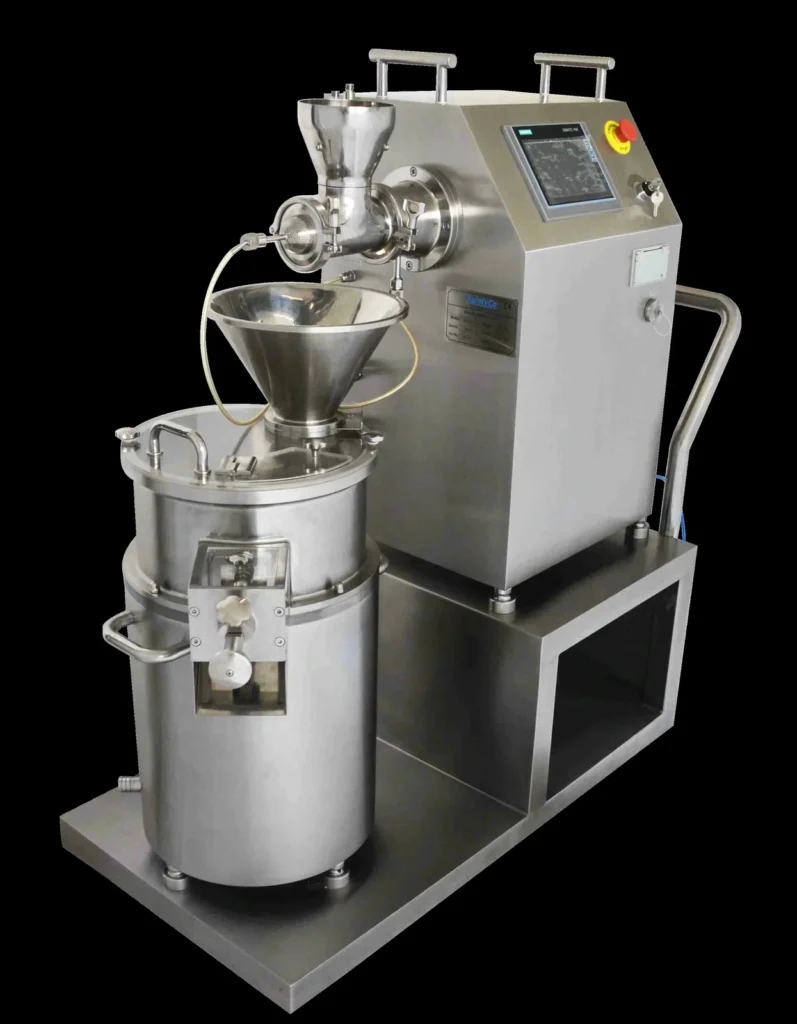
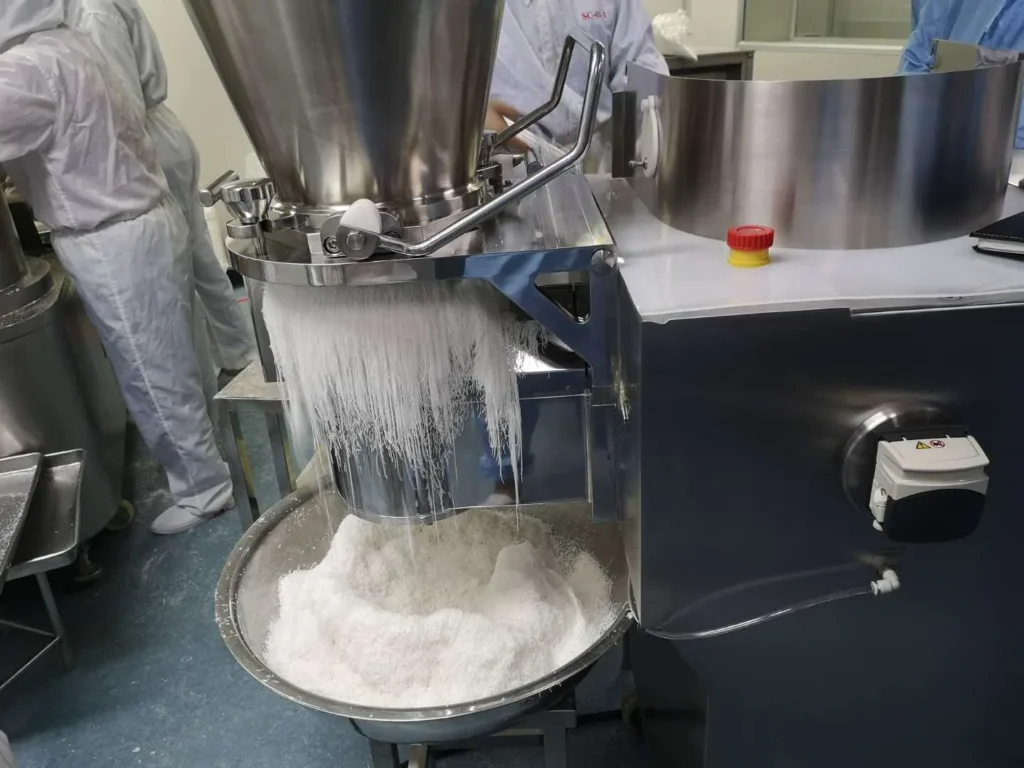
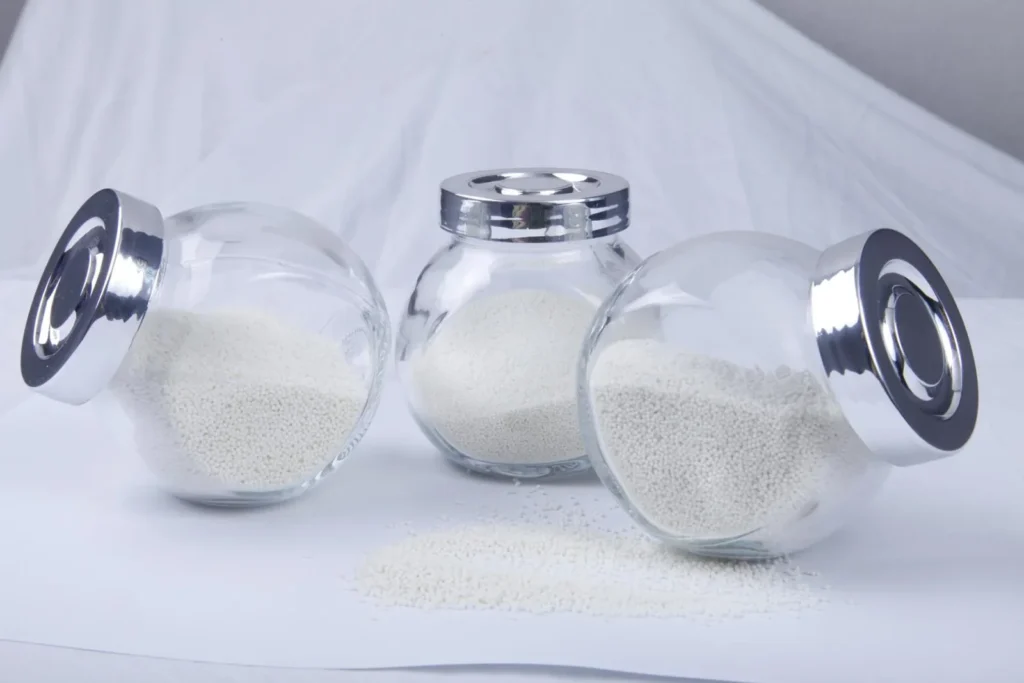
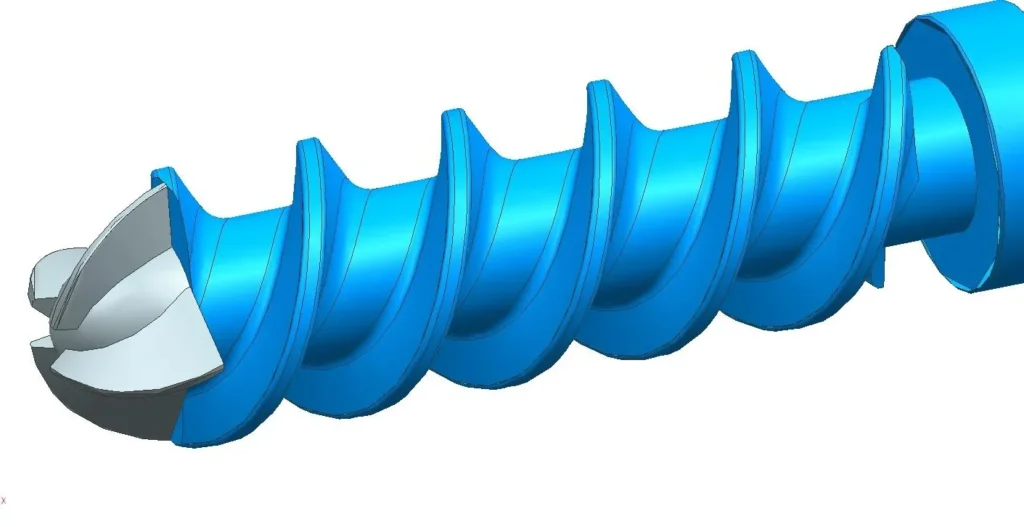
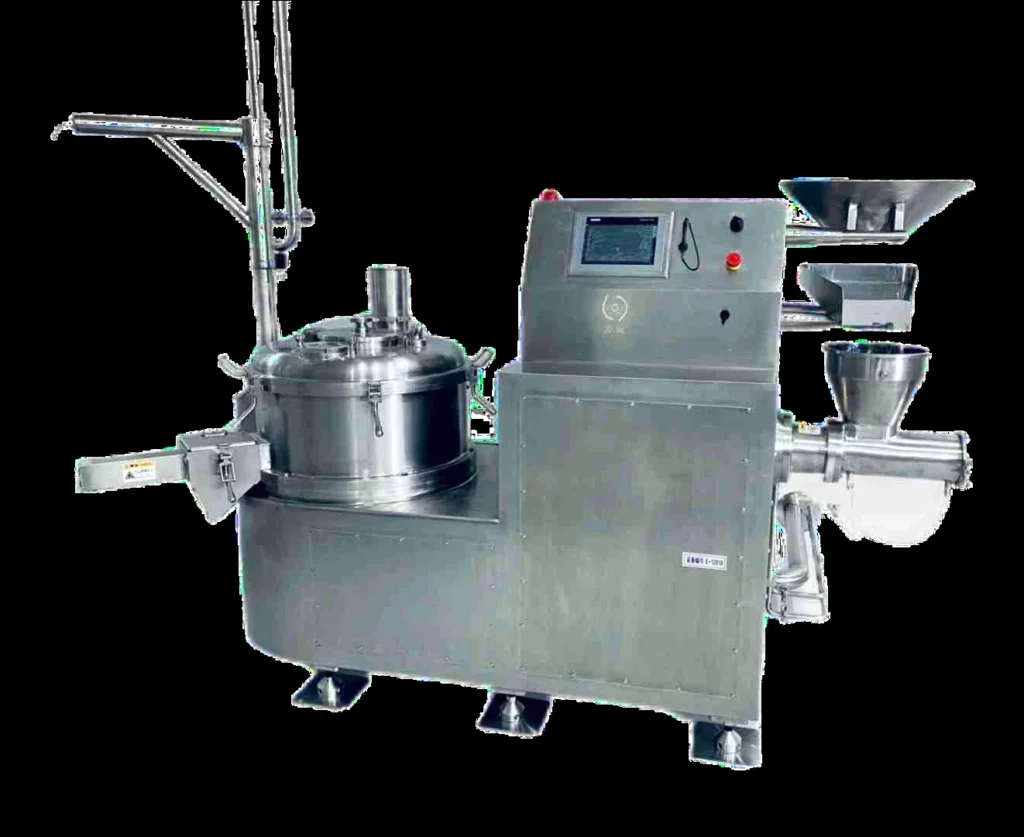
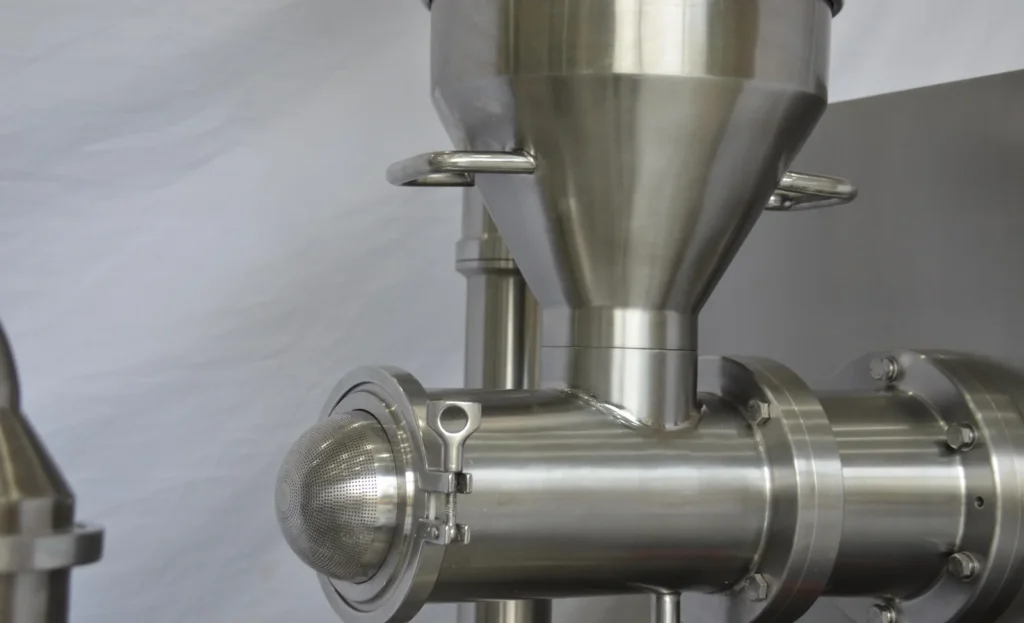
JCD screw extruders paired with GY spheronizer bowls turn wet mass into 0.12–0.5 mm spherical pellets from a 0.12 kg batch — the classic route to sustained-release pellets.
Highlights
Screw extruder plus GY spheronizer bowl turns wet mass into spherical pellets from lab scale — the classic route for 0.2–2 mm sustained-release pellets.
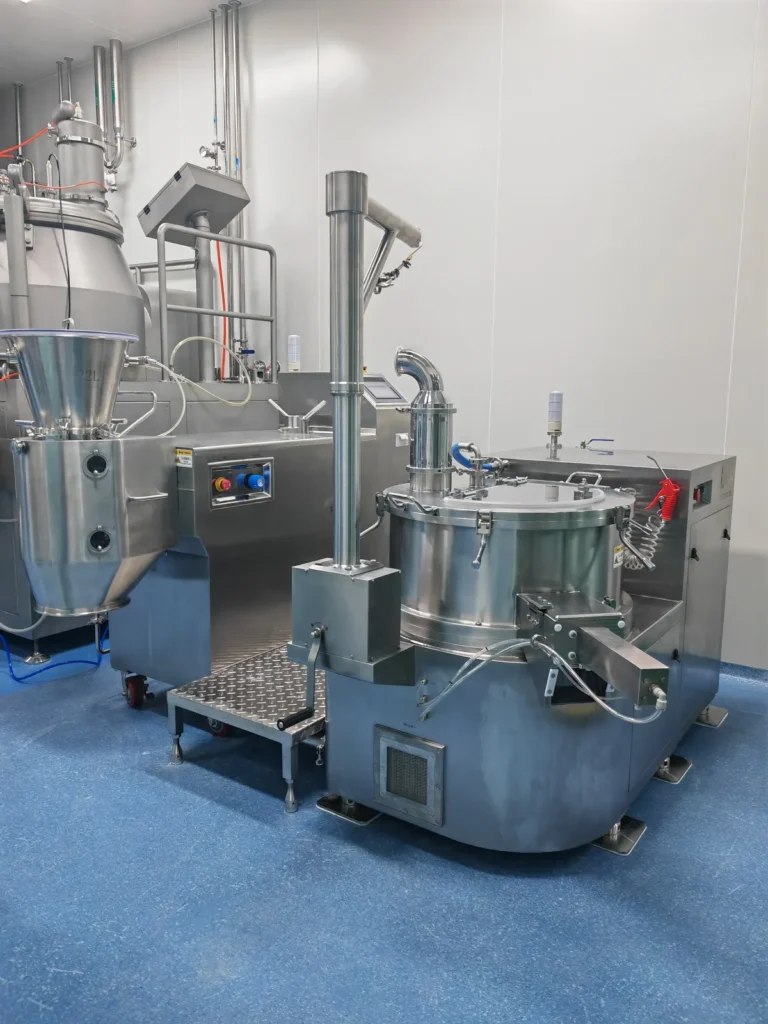
JCD-50 pairs GY-315; JCD-100 pairs GY-700 — charge geometry matched by design.
Spheronization produces low-porosity spheres that coat evenly.
Applications
- Sustained-release pellet APIs
- Herbal pellet formulations
- R&D and pilot pellet development
Product Images
Full Specifications
| Unit | Spec | Note | Evidence |
|---|---|---|---|
| JCD-50 extruder | 10 kg/h class | lab, 0.12 kg min batch | Manufacturer spec |
| JCD-100 extruder | 50 kg/h class | pilot/production | Manufacturer spec |
| GY-315 spheronizer | φ315 bowl | pairs JCD-50 | Manufacturer spec |
| GY-700 spheronizer | φ700 bowl | pairs JCD-100 | Manufacturer spec |
FAQ
What is extrusion-spheronization used for in pharmaceutical pellets?
Producing dense, spherical 0.2–2 mm pellets with narrow size distribution — the standard route for sustained-release and coated pellets that are later filled into capsules or compressed.
What is the minimum batch size for lab scale work?
JCD-50 + GY-315 starts from 0.12 kg wet mass (0.1 kg spheronizer charge) — formulation screening scale.
Which friction plate pattern should I choose?
Crosshatch (orthogonal) plates for general pellets; divergent plates for sticky masses; smooth plates for polishing rounds. Many labs keep two sets — they interchange quickly.
Related Products
Two-/three-fluid guns, retrofit to existing fluid beds.
Solvent-free coating, mini to production.
5-in-1 granulation to DPL-200.
1–30 μm, 0.035–250 kg/h.
Explore the full range: Pelletizing System →
Request sizing & a test plan
Send your material, process and capacity — engineers reply within one working day.